
← Back to Identification Guide
Record covers have a chronology of their own, largely independent of the discs they protect. Label designs and cover types did not always change at the same time, so one album can be found in more than one construction, and one construction can house more than one label generation. This page presents the construction types used on Canadian Beatles albums and how to recognize them.
A slick-era jacket was built from parts made by different companies: the printer supplied the front and back slicks, while Modern Album supplied the cardboard frame and assembled the finished jacket. Because these parts were never produced in exactly matching quantities, Capitol reused leftovers rather than discarding them, so hybrid and transitional covers are a normal part of the Canadian catalogue. Jacket manufacturing and record pressing being two independent industries, changes in label design were rarely synchronized with changes in cover construction, so overlaps are common. Specific cases are covered in the variation entries of each album.
Cover construction reflected the technologies available at the time of release. All in all, four main types of record covers can be found on Canadian Beatles albums between 1963 and 1988:
This type was the most common (and earliest) construction favoured by Capitol in the 1960s, and the cheapest to produce: a larger black and white back slick wraps around the front of the frame, over which a smaller colour front slick is pasted. Early runs of each album usually have a flat finish back slick (possibly used as proof before final approval), while most of the later production bears a glossy finish back cover. The front slick construction results in a white frame around the front cover slick. The back slick construction (see next entry) was also used in the 60s, but these, being more expensive and more professional looking, were reserved for targeted releases, while the regular front slick jackets were preferred for the core catalogue.
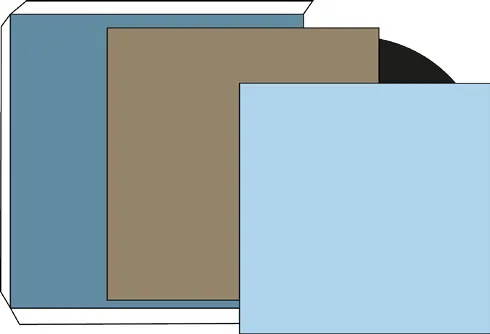
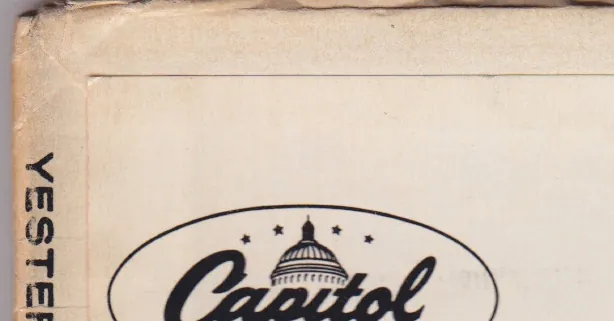
The reverse arrangement, used more sporadically by Capitol, features a larger colour front slick that wraps around the back on all four edges of the cardboard frame, over which a smaller black and white back slick is pasted, leaving no white border on the front cover.
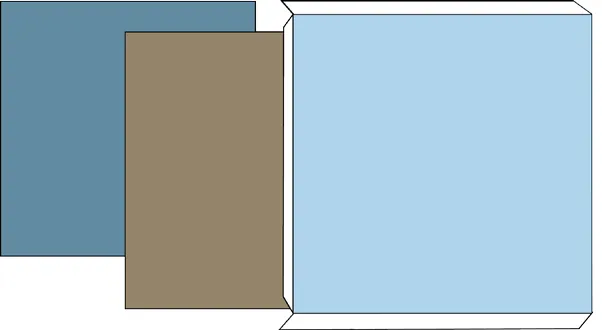
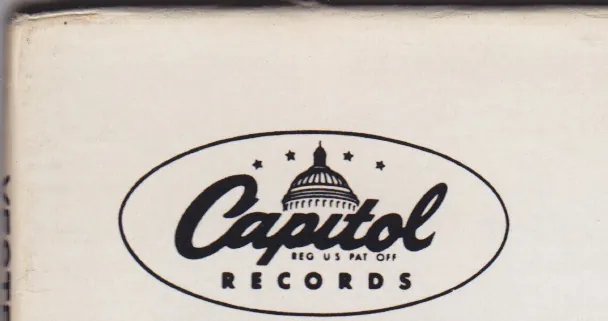
Introduced in the mid 1970s: one single slick covers both the front and the back, folding over the spine like a book cover. The front side is a little larger, folding over to cover the seams. The final product looks very similar to a back slick cover, with the exception of the spine area, which shows no slick demarcation.
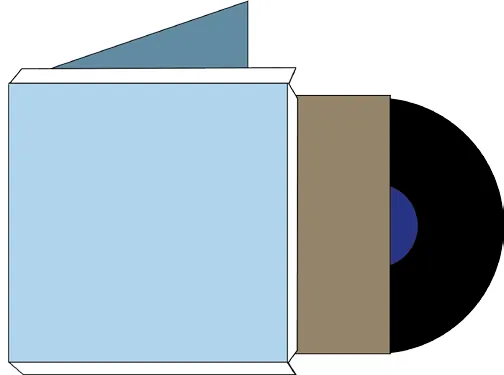
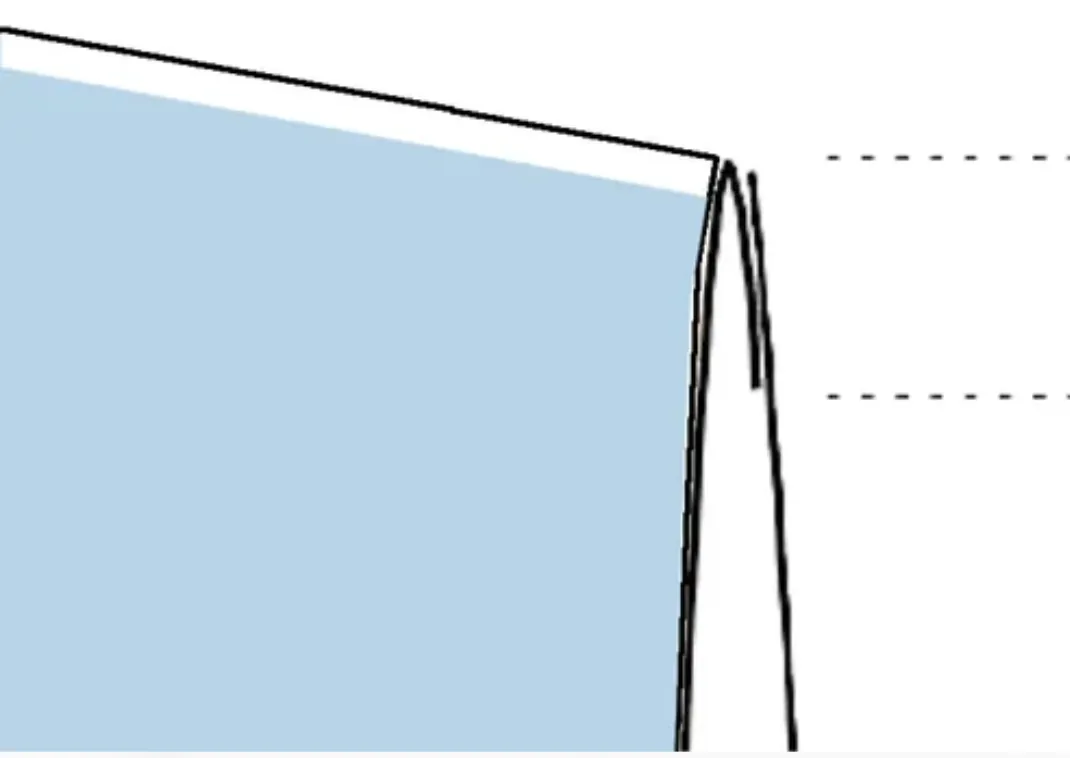
The photo below shows an unfolded wrap-around slick from a 1976 pressing of Something New - (see LP.2108.8.1), with the back and front covers printed as a single sheet. The tiny angled part by the spine is a great clue of a wrap-around construction on assembled covers.
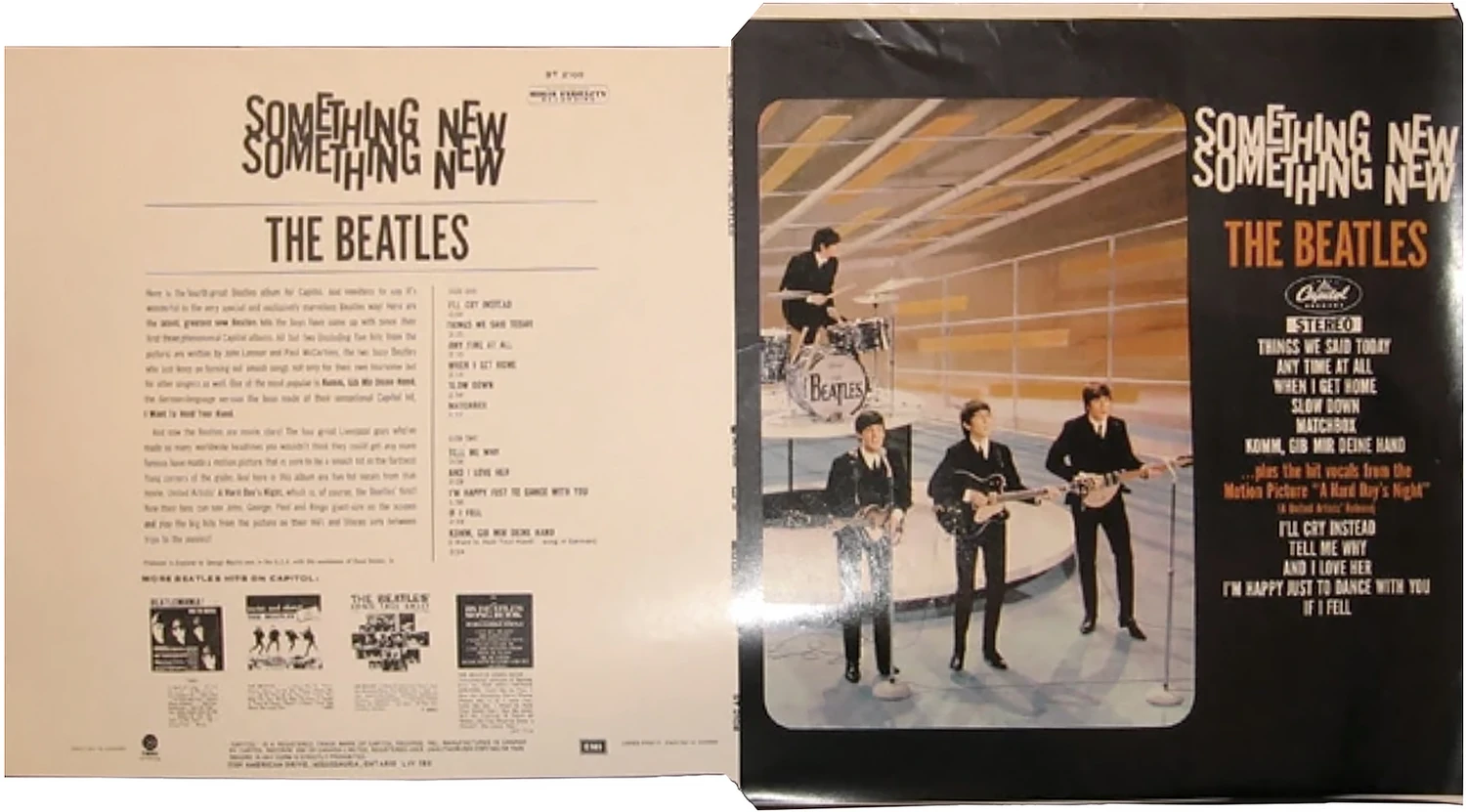
Modern Album introduced this paper-wrapped construction in the mid 1970s as the Super-jac, its answer to Shorewood's direct-to-board Shorepak (both companies are described on the Canadian Printing Companies page). Some of these jackets even have "Super Jac" printed on the spine of the slick (Something New and Second Album, among others).
The construction is documented on Canadian Beatles covers as early as 1975, so a wrap-around jacket is not by itself a sign of a late-decade pressing.
The last construction type, still in use today, features the image printed directly on the cardboard, with no pasted slick at all. This family includes Shorewood's patented Shorepak, described on the Canadian Printing Companies page. Posterboard covers took over in the late 1970s and remained the standard until the end of the Canadian Beatles vinyl era. Note that some early posterboard covers still carry a leftover "Super Jac" print on the spine, a mention inherited from the wrap-around construction above that no longer applied here.
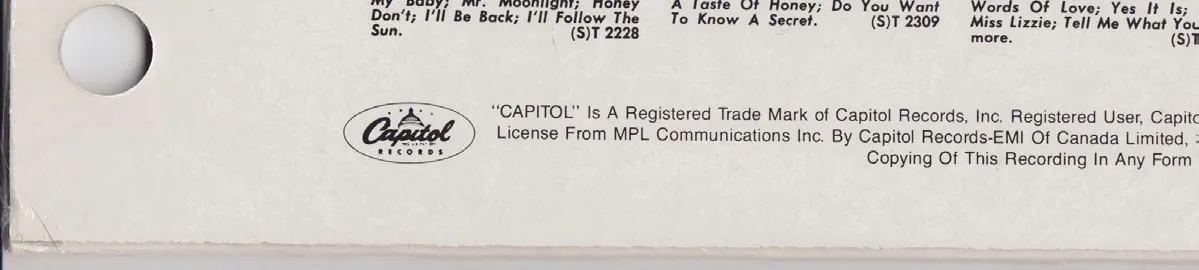
Inner seams are a specific part of the cardboard frame. A cover frame is made of one piece of cardboard folded like a book cover, where its top and bottom edges fold over as a flap to be glued to the inside cover. This glued folded edge is what is known as the inner seam. Depending on the cover construction, inner seams differ both in width (ranging from approximately 4 mm to 12 mm) and in shape: the 60s and 70s have seen rounded, straight, angled and rounded edge inner seams.
Seam width and shape are among the best clues for dating a cover, and they are noted throughout the variation entries of this archive.
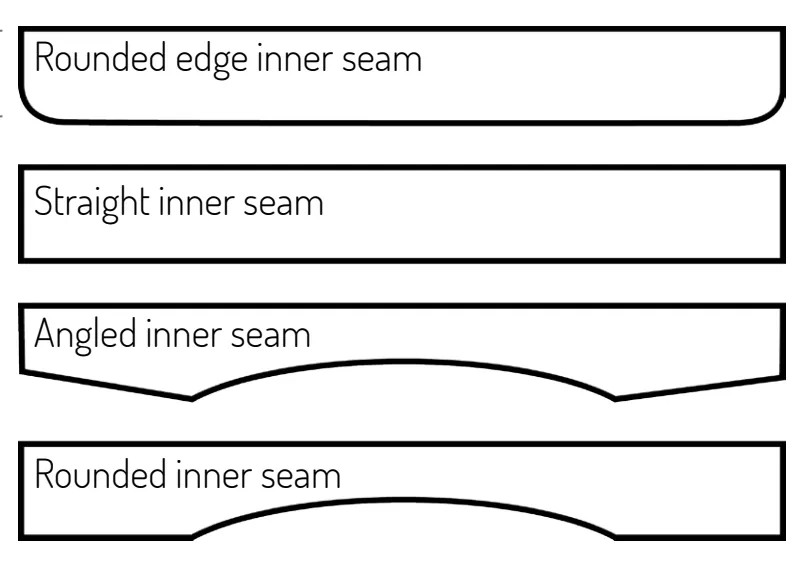
The shape and size of the inner seam are good identifiers (along with the printer logo) to place the record cover on a precise timeline, allowing accurate dating of an album. It is also a useful clue to avoid unfortunate mismatches that can happen when unsuspecting collectors reassemble nicer records with nicer jackets that seem identical to the untrained eye, but that could be historically incorrect.